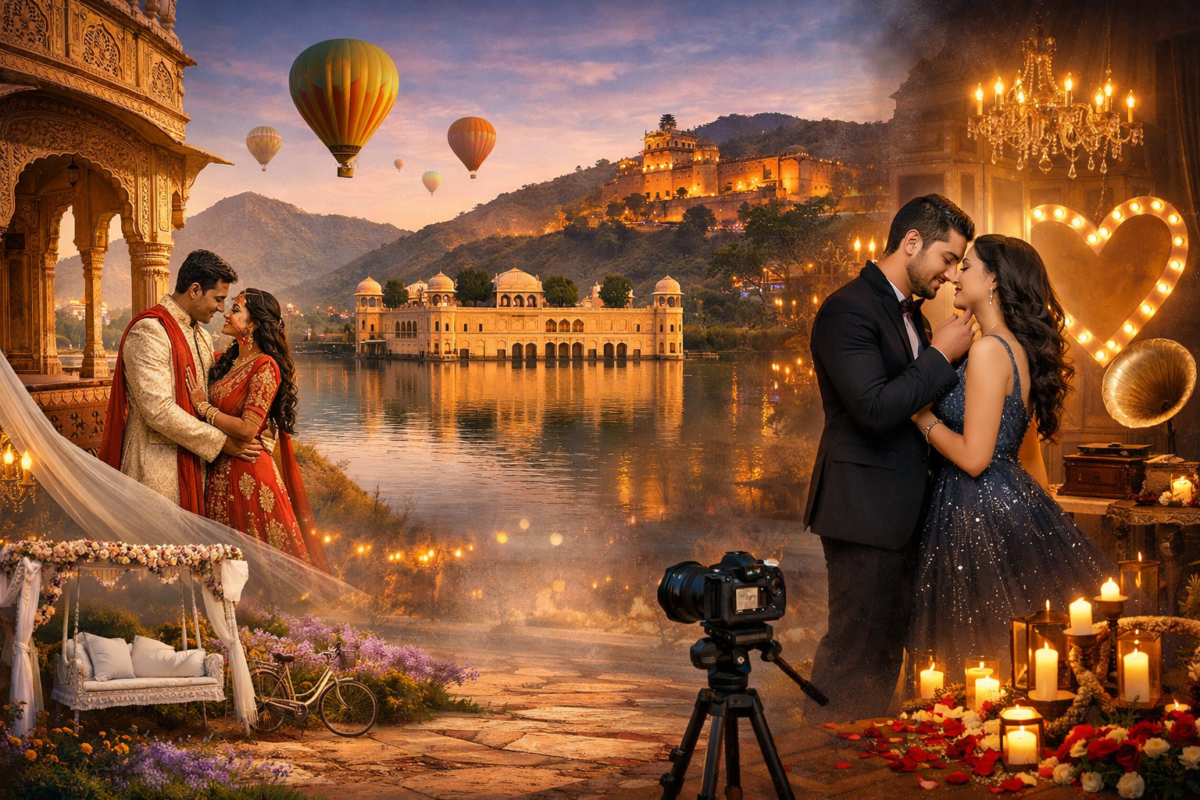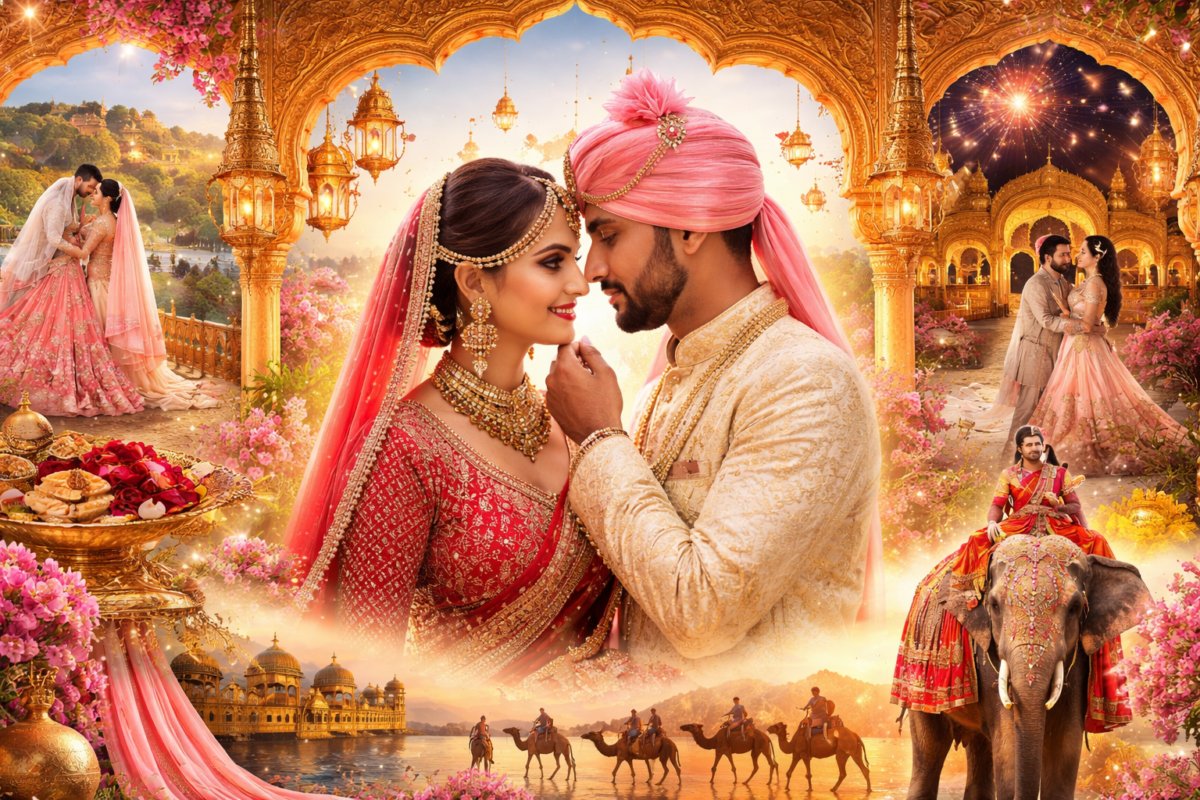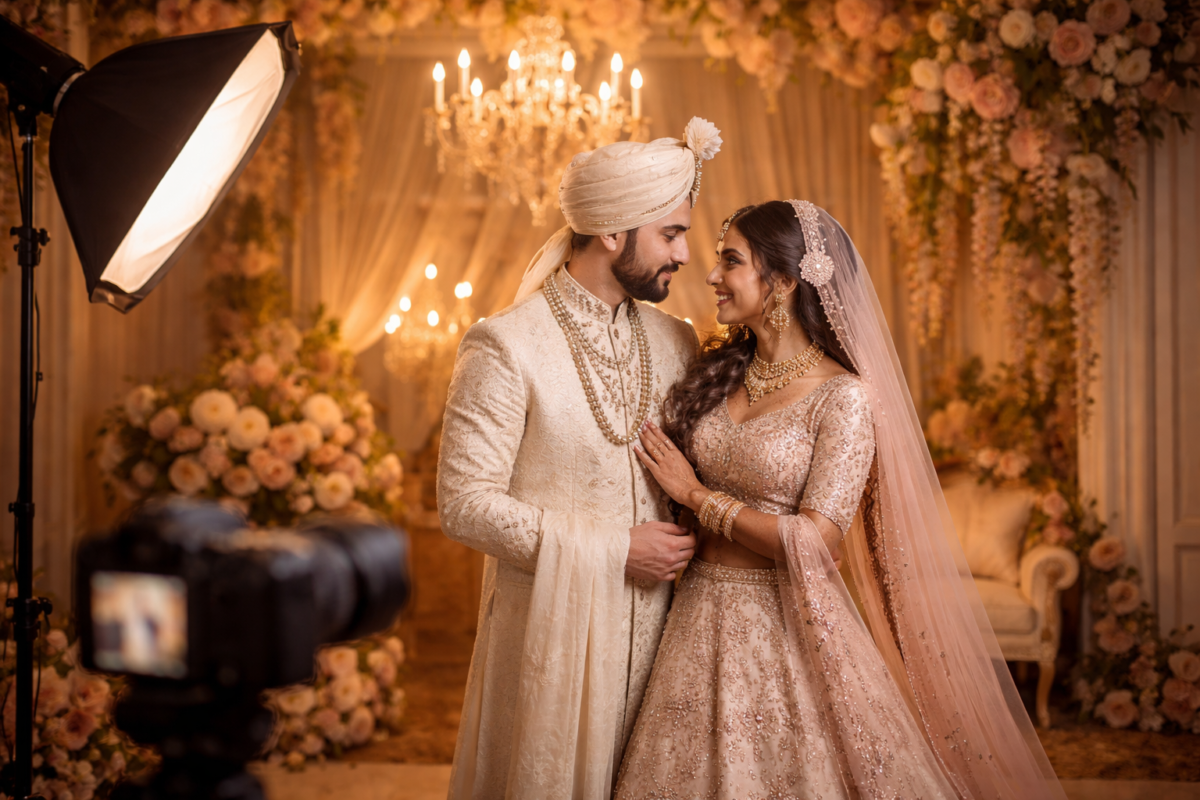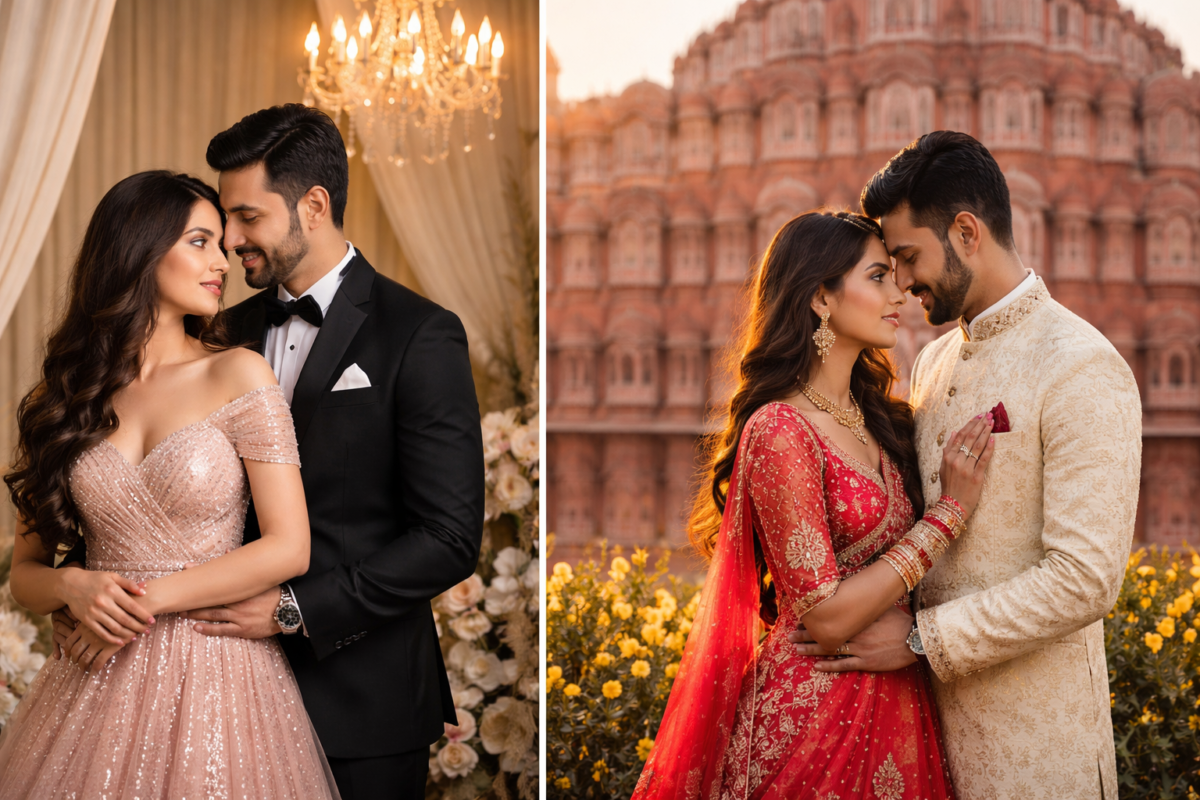






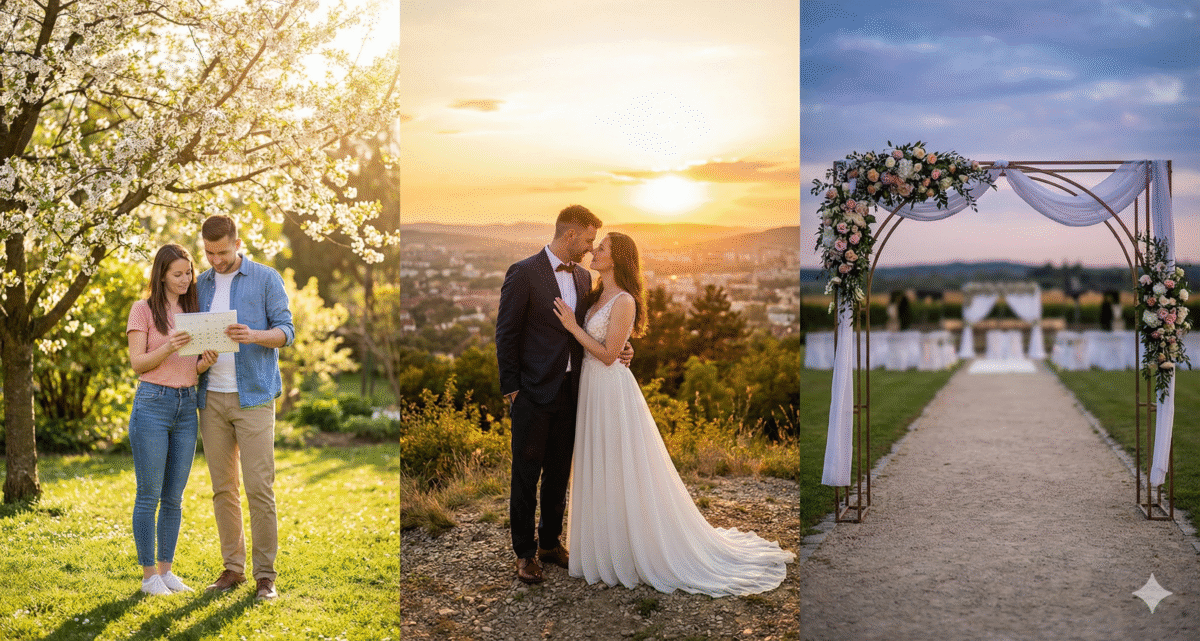
Best Time to Plan a Pre-Wedding Shoot Before Wedding Photoshoot
Planning a wedding is one of the most exciting yet complex tasks you will ever undertake. Amidst the flurry of booking venues, selecting catering menus, and finalizing guest lists, photography often stands out as a top priority. While capturing the main event is crucial, the pre-wedding session has become an equally significant ritual for modern couples. It allows you to pause the chaotic planning process and connect with your partner. However, a common question arises regarding when exactly you should schedule this session
.
Choosing the right date is about more than just checking your calendar. It involves considering the weather, the editing turnaround time, and how you intend to use the images. If you are planning a pre wedding shoot in Jaipur, timing becomes even more critical due to the specific climate and tourist seasons of the Pink City. This guide will walk you through every aspect of scheduling your shoot to ensure flawless results.
Understanding the Purpose of the Shoot
Before we look at the calendar, it is essential to understand why you are doing this. For many, it is simply about getting romantic pictures in casual or formal wear. For others, it serves a logistical purpose. You might want these images for your “Save the Date” cards, your wedding website, or a slideshow to be played during the sangeet or reception.
Knowing the end use of your photos will dictate your timeline. If you need a printed canvas for the reception entrance, you cannot leave the shoot for the last week. Furthermore, this session acts as a trial run. It helps you get comfortable in front of the camera and builds rapport with your photographer. The experts at Photo Fashion Studio always recommend viewing this session as a rehearsal that ensures you are relaxed and confident on your big day.
The Ideal Window: 3 to 4 Months Before
For most couples, the sweet spot lies between three to four months before the wedding date. This timeframe offers the perfect balance. You are close enough to the wedding to feel the excitement but far enough away to avoid the intense stress that comes with the final month of planning.
Scheduling your session during this window gives you ample breathing room. You can carefully select your outfits without rushing. It also provides your photographer with sufficient time to edit the images. Remember that post production is a time consuming art. If you want high quality retouching, you must account for the weeks it takes to process the raw files.
This timeline also helps you align your schedule with your photographer. Top professionals who handle a wedding photoshoot in Jaipur are often booked solid during the peak season. By planning three months in advance, you secure your preferred dates without conflict. It also leaves room for rescheduling in case of unexpected bad weather or personal emergencies.
Weather Considerations in Jaipur
When organizing a shoot in a city like Jaipur, the season plays a massive role in your scheduling. The city is known for its stunning heritage backdrops, but the weather can be extreme.
Note: Always check the seasonal forecast before finalizing your date to avoid extreme heat or unexpected rain.
Winter (October to March): This is widely considered the best time for outdoor shoots. The sunlight is soft, and the temperature is pleasant. You can wear heavy gowns or suits without sweating profusely. However, because this is the peak season, iconic locations like Amer Fort or Albert Hall can be crowded.
Summer (April to June): Summers can be harsh. If your wedding is in late summer or early autumn, you might be forced to schedule your shoot during these hot months. In such cases, Photo Fashion Studio suggests opting for early morning slots or indoor locations to keep you comfortable.
Monsoon (July to September): While rain can create a romantic atmosphere, it also brings unpredictability. If you are planning a pre wedding shoot in Jaipur during the monsoon, you must have a backup plan. Muddy locations and grey skies can sometimes hinder the vibrant aesthetic many couples desire, though lush greenery is a definite plus during this time.
Using Photos for Save the Dates
If your heart is set on using professional images for your digital or printed “Save the Date” invites, you need to work backward from your mailing date. Typically, invitations are sent out four to six months before the wedding.
This means you might need to schedule your session six to seven months in advance. This early timeline ensures that the photographer has enough time to edit a few “teaser” images for you to use. It relieves the pressure of waiting for photos while your invitation designer is on hold.
Early planning also helps if you are organizing a destination wedding. Guests need more notice for travel arrangements, so getting your invites out early is mandatory. Consequently, your photography timeline must shift earlier to accommodate this need.
The Two Month Mark: The Latest Safe Option
Life gets busy, and sometimes the ideal three-month window passes by. If you find yourself two months away from the big day, you are still in a safe zone, but you need to act fast. At this stage, you must have your wardrobe ready and your locations booked.
This is the time when other wedding tasks start ramping up. You might have food tastings, dress fittings, and jewelry shopping consuming your weekends. Squeezing in a full day shoot requires strict time management. The team at Photo Fashion Studio excels at managing these tighter schedules to ensure you still get a relaxed experience despite the looming deadline.
If you are also hiring the same team for your wedding photoshoot in Jaipur, doing the pre-wedding session two months prior keeps the rapport fresh. You will have just enough time to give feedback on the photos, ensuring the team knows exactly which angles you prefer for the main event.
The Danger Zone: One Month or Less
Scheduling a shoot within the final month before the wedding is generally not recommended. This period is often filled with high stress and last-minute emergencies. Adding a photoshoot to this mix can turn a fun experience into a chore.
Why you should avoid the final month:
- Skin Issues: Stress often leads to breakouts. You want your skin to be at its best for the pictures.
- Lack of Editing Time: Photographers cannot magically speed up the editing process without compromising quality. You might not get your photos back in time for the wedding.
- Mental Fatigue: You might be too exhausted from planning to genuinely enjoy the romantic moments.
However, if this is the only time you have—perhaps you live abroad and are only arriving in India just before the wedding—it can be done. In this scenario, communication is key. You must have a clear agreement with Photo Fashion Studio regarding express delivery of a few select images if you need them for the reception display.
Coordination with Hair and Makeup
Another factor that influences your timeline is the availability of your glam team. Many brides use the pre-wedding shoot as a trial for their wedding day makeup artist. This is a brilliant strategy. It allows you to see how the makeup photographs in natural light versus studio light.
If you plan to use this trial opportunity, you must align the schedules of your makeup artist and your photographer. Popular makeup artists are just as busy as photographers. Booking a pre wedding shoot in Jaipur often requires synchronizing these two different vendor calendars, which is easier to do three months out than three weeks out.
Wardrobe Preparation and Fittings
Your outfits define the aesthetic of your shoot. Whether you choose a flowing gown, a traditional saree, or casual jeans and tees, the clothes must fit perfectly.
Planning your shoot months gives you time to order clothes online or have them custom-made. Alterations can take weeks. If you schedule your shoot too close to the wedding, you might be stuck with ill-fitting clothes because your tailor is busy with your bridal lehenga.
Proper planning allows you to coordinate outfits with your partner. You avoid the last-minute panic of realizing his shirt clashes with your dress. It also gives you time to shop for matching accessories and props, which add a personal touch to the visual story.
Location Permissions and Logistics
Many premium locations require prior permission and a fee for photography. Whether it is a heritage hotel, a public monument, or a private garden, the paperwork takes time.
If you leave your booking to the last minute, you might find that your dream location is unavailable due to a private event or a film shoot. By planning, you can secure the necessary permits. This is particularly relevant when organizing a wedding photoshoot in Jaipur, where popular venues are in high demand during the wedding season.
Additionally, some locations look better at specific times of the year. A garden might be dry in summer but blooming in winter. Your photographer can guide you on the best seasonal spots, but only if you give them enough lead time to plan the logistics.
Must Read: Why Pre Wedding Photoshoots Enhance Wedding Photography Services in Jaipur
Building Chemistry with Your Photographer
One of the most underrated benefits of an early shoot is the relationship you build with the camera crew. If you are camera-shy, it takes time to warm up.
Doing the shoot well in advance allows you to review the images and understand what works for you. You might realize you prefer candid shots over posed ones, or that you dislike your profile from the left side. You can share this feedback with Photo Fashion Studio well before the main wedding. This feedback loop is impossible if you shoot just days before the wedding.
The Verdict: Plan Early for Peace of Mind
To summarize, while you can technically shoot at any time, the benefits of early planning are undeniable. It safeguards you against weather issues, editing delays, and personal stress. It ensures that your journey to the altar is documented beautifully without becoming a source of anxiety.
Prioritize this session just as you would your venue or caterer. It captures the essence of your relationship before the label of “husband and wife” is officially attached. It preserves the anticipation, the romance, and the joy of the courtship period.
Summary Checklist for Scheduling
- 6 Months Before: Ideal for those needing photos for Save the Date cards.
- 3 to 4 Months Before: The Gold Standard. Perfect balance of excitement and logistics.
- 2 Months Before: The final safe call. Requires quick decision-making.
- 1 Month Before: Risky. Only for those with no other option.
By adhering to these timelines, you ensure a smooth, enjoyable experience. You allow the creative team at Photo Fashion Studio to deliver their best work, resulting in a gallery of memories you will cherish forever.
FAQs
Q1. Can we schedule our shoot on weekends?
Ans: Yes, you can, but weekends are generally busier at public locations and tourist spots. If you want a more private experience with fewer people in the background, aiming for a weekday shoot is often a better strategy.
Q2. How long does the editing process usually take?
Ans: Typically, standard editing takes between two to four weeks, depending on the workload of the studio. If you require advanced retouching or complex edits, it might take longer, which is why shooting early is recommended.
Q3. What if it rains on our scheduled date?
Ans: Professional studios usually monitor the weather closely. If rain is predicted, they will discuss backup indoor locations or reschedule the shoot to the next available sunny day, provided you have booked enough in advance to allow for flexibility.
Q4. Do we need to provide our own props?
Ans: While photographers often have basic props, bringing personal items like a guitar, favorite books, or pets makes the photos more unique to your story. It is best to discuss prop ideas during the planning meeting.
Q5. Is it necessary to hire a makeup artist for the pre-wedding session?
Ans: While not strictly mandatory, professional hair and makeup make a significant difference in the final quality of the images. It ensures your look lasts throughout the day and stands up to high definition camera lenses.